Dlaczego cynkowanie ogniowe pozostaje najbardziej zaufanym procesem ochrony stali na świecie
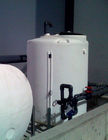
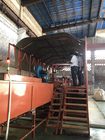
Stal jest podstawą nowoczesnej infrastruktury, ale niezabezpieczona stal rdzewieje. Spośród wszystkich metod antykorozyjnych,cynkowanie ogniowewyróżnia się spoiwem metalurgicznym, samonaprawiającą się ochroną krawędzi i wyjątkową wydajnością kosztową w całym cyklu życia. Za każdym wysokiej jakości produktem ocynkowanym kryje się niezawodnośćurządzenia do cynkowania ogniowegoktóry precyzyjnie kontroluje proces.
Proces cynkowania krok po kroku
- Odtłuszczanie i płukanie– usuwa oleje, smary i zabrudzenia z powierzchni stali.
- Marynowanie– kąpiel kwasowa usuwa rdzę i kamień walcowniczy, odsłaniając czystą, aktywną powierzchnię.
- Fluktuacja– warstwa topnika z chlorku cynku i amonu zapobiega utlenianiu przed zanurzeniem.
- Wysuszenie– podgrzewa przedmiot obrabiany, aby uniknąć rozprysków cynku i poprawić jakość powłoki.
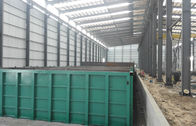
- Zanurzanie na gorąco– stal zanurzana jest w stopionym cynku o temperaturze 445–455°C, tworząc warstwę metalurgicznego stopu Zn-Fe.
- Chłodzenie i kontrola– przed wysyłką sprawdzana jest grubość powłoki, przyczepność i wygląd.
Kontrola jakości zgodna z normą ISO 1461
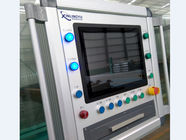
Nowoczesne linie cynkownicze wykorzystują sterowaną przez PLC temperaturę kąpieli, czas zanurzenia i prędkość ekstrakcji, aby uzyskać jednolitą grubość powłoki. Poniżej przedstawiono typowe minimalne wymagania dotyczące powłok zgodnie z normą ISO 1461:
| Grubość stali | Średnia grubość powłoki | Lokalna grubość powłoki |
|---|
| ≥ 6 mm | 85 µm | 70 µm |
| 3 mm – < 6 mm | 70 µm | 55 µm |
| 1,5 mm – < 3 mm | 55 µm | 45 µm |
| < 1,5 mm | 45 µm | 35 µm |
Zaawansowane funkcje wyposażenia
- Precyzyjna kontrola temperatury czajnikaminimalizuje tworzenie się żużlu i popiołu, poprawiając wykorzystanie cynku.
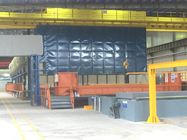
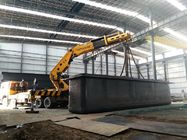
- Automatyczne podnoszenie i zanurzaniezapewnia równomierne zanurzenie i zmniejsza ryzyko operatora.
- Systemy oczyszczania dymówwychwytywanie dymu chlorku amonu w celu zapewnienia czystszego i bezpieczniejszego warsztatu.
- Pomiary grubości online i zapisywspierają pełną identyfikowalność podczas audytów jakości.
Dzięki odpowiedniemu sprzętowi galwanizerzy osiągają jakość powłoki chroniącą konstrukcje stalowe50+ latw większości środowisk atmosferycznych. Dla inżynierów, wykonawców i właścicieli zakładów, którzy wymagają trwałości, inwestowanie w zaawansowany sprzęt do cynkowania ogniowego jest decydującym krokiem w kierunku infrastruktury wolnej od korozji.
Korzyści w zakresie kosztów cyklu życia
Choć początkowy koszt cynkowania jest nieco wyższy niż w przypadku prostych systemów malarskich, to jego bezobsługowy okres użytkowania jest znacznie dłuższy. W agresywnym środowisku stal ocynkowana może wytrzymać 50 lat lub dłużej, podczas gdy stal malowana zwykle wymaga ponownego malowania co 5 do 10 lat. Po obliczeniu kosztów pełnego cyklu życia cynkowanie ogniowe jest prawie zawsze najbardziej ekonomiczną strategią ochrony stali konstrukcyjnej.
Prawidłowe sprzątanie wydłuża także żywotność samej linii: utrzymywanie chemii w wannie, regularne zbieranie popiołu i żużla oraz kalibracja czujników temperatury zapewniają najlepszą jakość produktu i efektywność energetyczną.


 Twoja wiadomość musi mieć od 20 do 3000 znaków!